ARC (Addressing Root Cause) Initiative

Why do some community projects live on, long after the funding ends, while others fade away as soon as the project team leaves? The difference often lies in one word: ownership. When people feel that the solution belongs to them—that they have imagined it, shaped it, and worked for it—it stays alive. Without ownership, even the most well-designed projects lose their heartbeat.


These questions have guided us since the beginning: Do community members themselves identify their challenges, or do outsiders tell them what is wrong? Do they design their own solutions, or are solutions handed over from someone else’s desk? Can we truly create a sense of ownership among people so that they carry the change forward long after the project funding is stopped?


With these questions in mind, we joined hands with the Global Fund for Children (GFC) in 2023, through the ARC (Addressing Root Causes) initiative. Together, we are walking with communities, not to “fix” them, but to help them recognize their own strengths, find the root causes of their struggles, and build the confidence to solve their own problems. We do not come as problem-solvers. Instead, we walk alongside the community, facilitate them recognize their strengths, enabling them to dream together, and take initiative to solve their own challenges. 


But how do we do this? The path we follow is called the Community Life Competence Process (CLCP)—a method created by The Constellation, an organization that supports communities around the world in their local responses to challenges. CLCP is not a rigid framework; it is a living process that helps people look at their own lives with hope, discover what they are capable of, dream together of a better future, and then take steps toward that dream. Through this approach, our goal is to shift the mindset from dependence to ownership.

SALT-CLCP

The way into this process begins with SALT. SALT is not just an acronym—though it stands for Support, Appreciate, Listen/Learn, and Transfer/Team—it is a way of being with people. Our facilitators, who come from within the community itself, visit families and groups not as experts with ready-made answers, but as companions who want to listen to their stories. They ask about moments of pride, they notice strengths, and they appreciate what is already working. Slowly, trust grows. Over time, the community’s perspective shifts: instead of focusing only on challenges, they begin to recognize their own strengths and realize that, together, they have the power to address these challenges.

From there, the journey unfolds in stages.

SALT-CLCP
Shared Dreams Self-Assessment Action Plan Action Learn and Share Mobilize

Shared Dreams

Next comes the most powerful step: the Shared Dream. In circles of conversation, people imagine together what they wish for their children, their families, their community or their village. They gather to look beyond today’s challenges and dare to picture tomorrow’s possibilities.

Self-Assessment
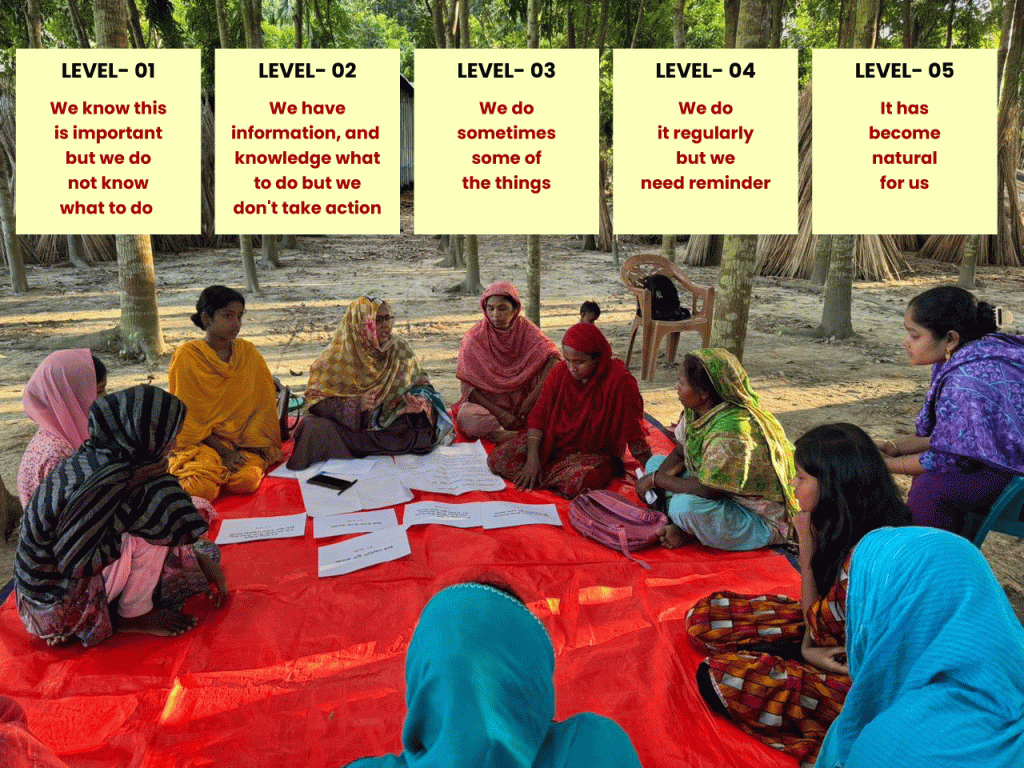
This dream does not remain vague or distant, because the community soon asks: Where are we now, compared to where we want to be?  With a simple self-assessment tool, they measure their dreams honestly by themselves, and this clarity helps them decide what actions to take.  In traditional MEL (Monitoring, Evaluation, and Learning) communities are not active participants. Instead, outsiders—such as project managers, evaluators, or NGOs—set the rules, collect the data, and assess the results. The community’s role is limited to providing information, rather than helping shape the evaluation or reflect on their own progress. It focuses on numbers, reports, and accountability to outsiders, rather than fostering accountability within the community itself. In contrast, this self-assessment is not just a task—it’s a realization. It’s about communities reflecting together, holding themselves accountable with honesty and care, and understanding their own progress in a way that feels meaningful to them.

Action Plan
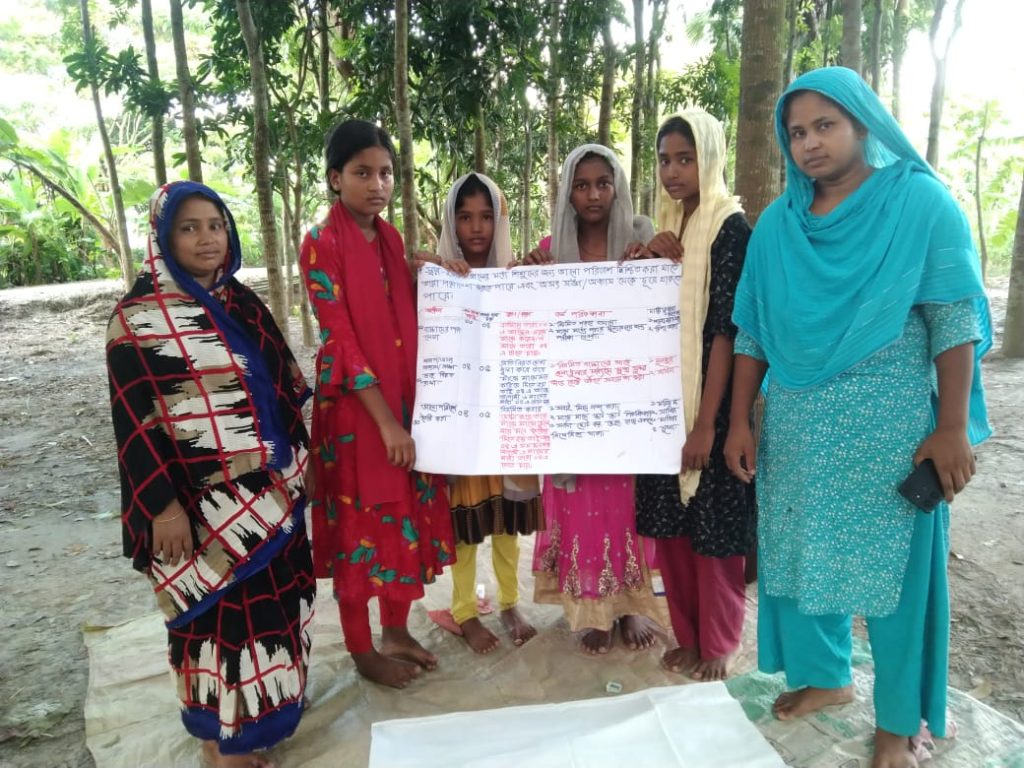
After doing the self-assessment of their dream, the community then makes its Action Plan to solve their own challenges. These are not plans imposed from outside—they are designed by the people themselves, using their own strengths. Small steps lead to bigger ones.

Action
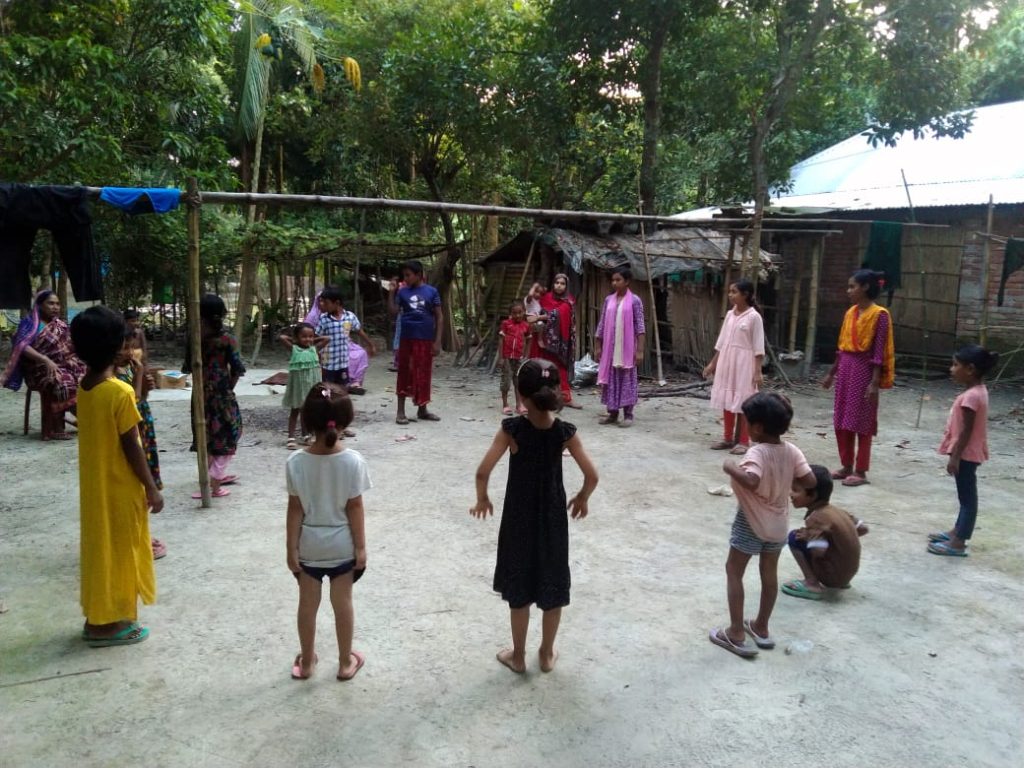
After planning actions, the community immediately starts their actions. And when they face obstacles, the dream and the trust they built keep them moving forward. The beauty of SALT-CLCP is that the cycle never truly ends. After taking action, communities come together again to reflect, to see what worked, what didn’t, how to improve and how their habits have begun to change. This reflection helps them recognize the small but powerful shifts in daily behaviors—the main expectation of the ARC initiative.

Learn and Share
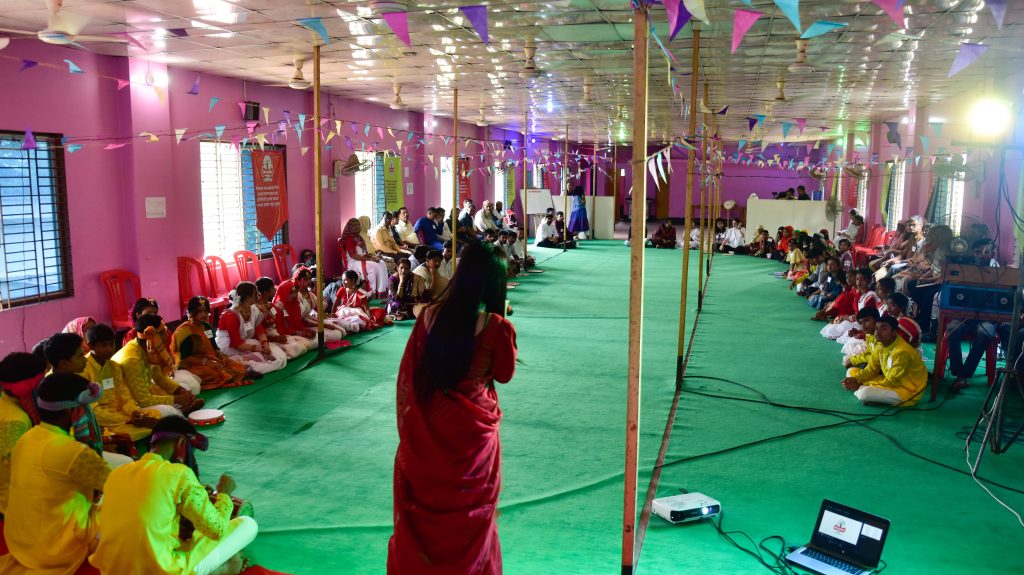
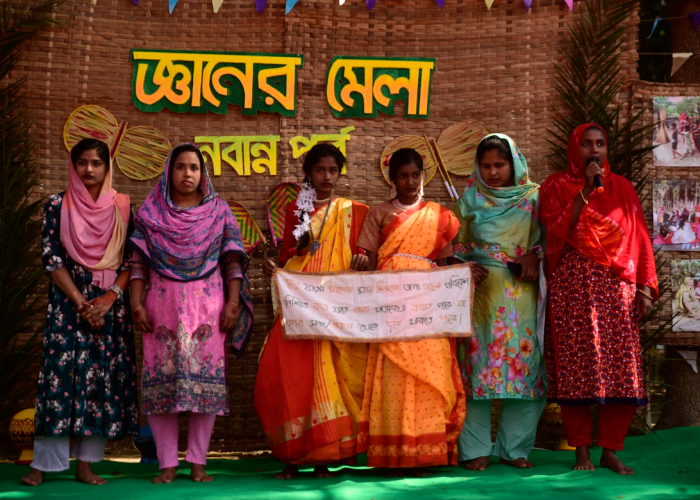
Through knowledge fairs, gatherings, and exchanges, they share these changes and learnings with others, connect with neighboring groups and inspire new actions. In this way, learning flows in all directions, and every change in habit sparks a fresh cycle of growth and transformation.

Mobilize

First, individuals reflect on their own strengths—this is what we call Individual SALT. Then people with similar challenges come together, share their proud stories, and discover each other’s strengths through appreciation—this becomes Group SALT. When strengths are seen and appreciated, a sense of unity emerges.
Our Project area for SALT – CLCP

Our journey with SALT-CLCP begins in Byaspur, a village in the Gopalganj district of Bangladesh which lies on the banks of the Modhumoti River. Byaspur itself is largely agrarian, where families cultivate jute and rice.

Within this village, our project reaches five paras (neighborhoods)—Moddhopara, Dokkhinpara, Uttarpara, Hijli, and Katakhali—and one school, Joynagar High School. Together, these paras have 485 households and 53 households engage with the SALT initiative. Each household carries its own stories, challenges, and strengths. And in the school there are around 1700 students.

Community Led Dissemination

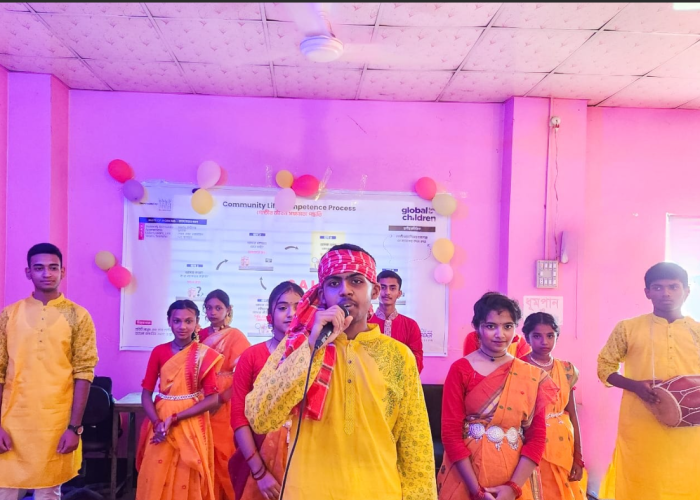
Community-led dissemination means the community itself shares the findings, in its own voice, in its own way.
In our community-led dissemination, youth turned data (survey findings) into Jarigan, a traditional Bengali folk song and the villagers listened. What could have been a formal meeting became a shared story of ownership and action.
Community Led Dissemination 01

SALT-CLCP in Byaspur: Communities Leading Change

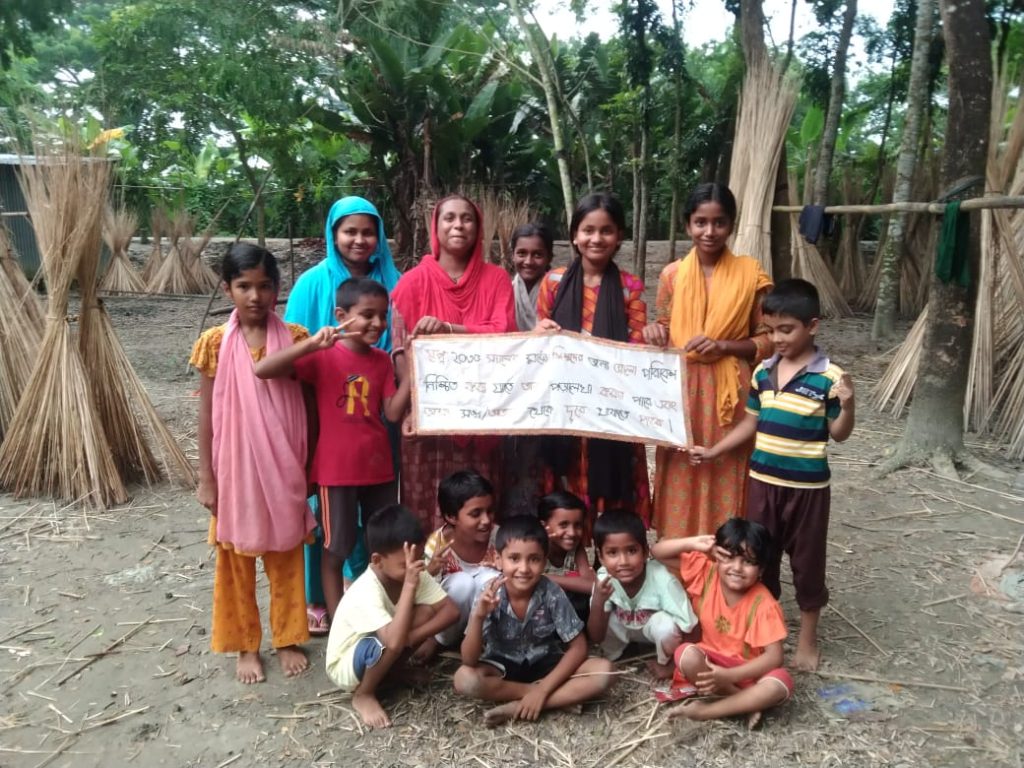
In Byaspur, communities are transforming challenges into opportunities through SALT-CLCP. We are conducting SALT conversations with the community members, and through these conversations, we have witnessed many inspiring initiatives emerging from within the community.

The Story of Hijlipara

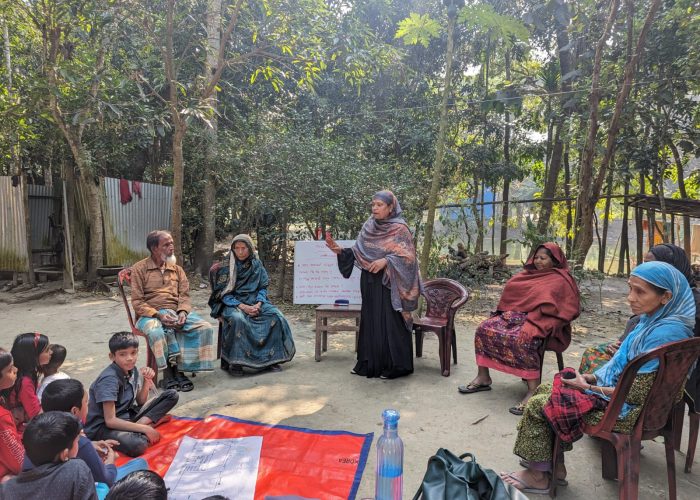
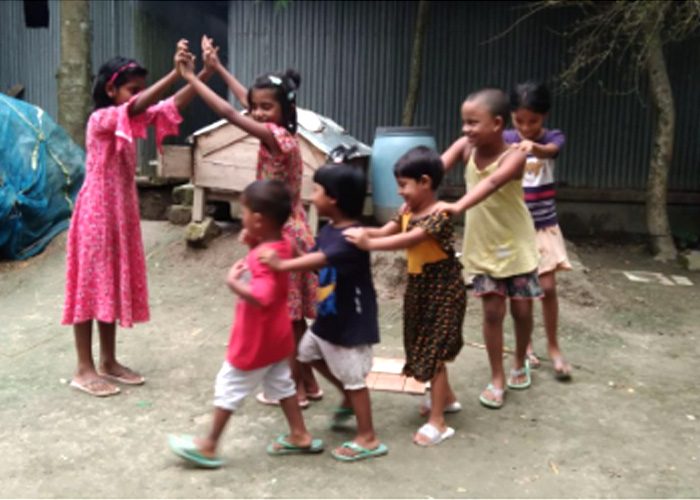
Women Led Afternoon Learning Group, Grandparents’ Storytelling Session, Reintroducing Traditional Games to Reduce Screen Time, Community-led library
Story of Hijlipara

Story of Katakhali

Initiative:Youth Led Outdoor Playing Activity to Reduce Screen Time
Story-of-Katakhali

Story of Uttarpara

Youth Led Learning Group, Youth Led Outdoor Playing Activity to Reduce Screen Time and Chances of Drug Abuse, Women-Led Afternoon Learning and Play Activity to Rebuild Unity
Community Led Dissemination

Story of Dokkhinpara

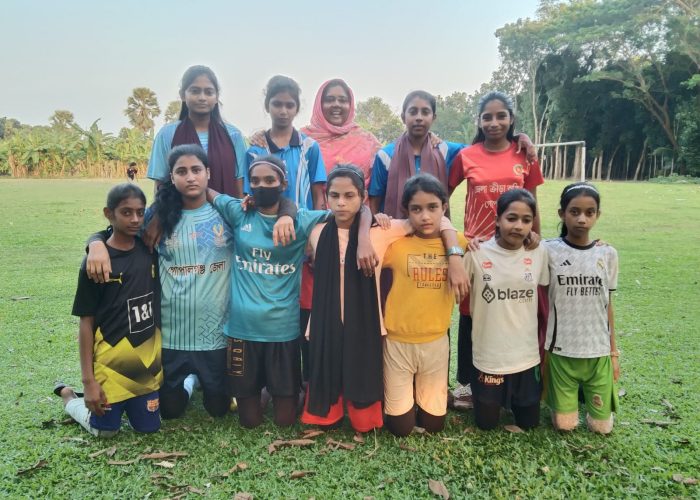
Healthy Masculinity, Play for All
Story of Dakkhinpara
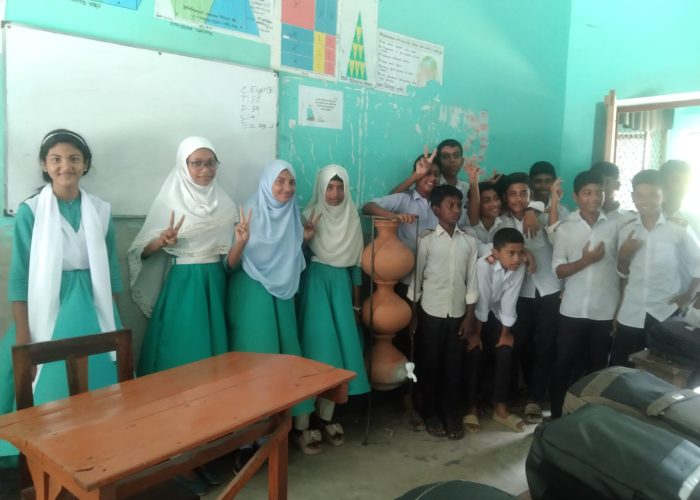
Girls and boys together celebrate their clean iron free water initiative with their handmade filter

Joynagar High School

Student Led Classroom Library, School Garden, Safe Drinking Water, Equal Access to Playground, Teachers’ Training
©2024. All Rights Reserved by Grow Your Reader Foundation. Developed by Bullseye